Japan’s Coffee Culture: From Kissaten to the New Wave of Small Roasteries:
Japan is famous for tea, yet it has one of the most devoted coffee cultures in the world. Its old-style coffee houses, called kissaten, helped inspire the founder of Blue Bottle Coffee in California, and the same spirit of patient, hand-made brewing now lives on in a growing number of small, highly focused roasteries across Japan. This guide traces that story and shows you where to taste it for yourself, with a focus on Tokyo.
Part 1: The Kissaten Tradition
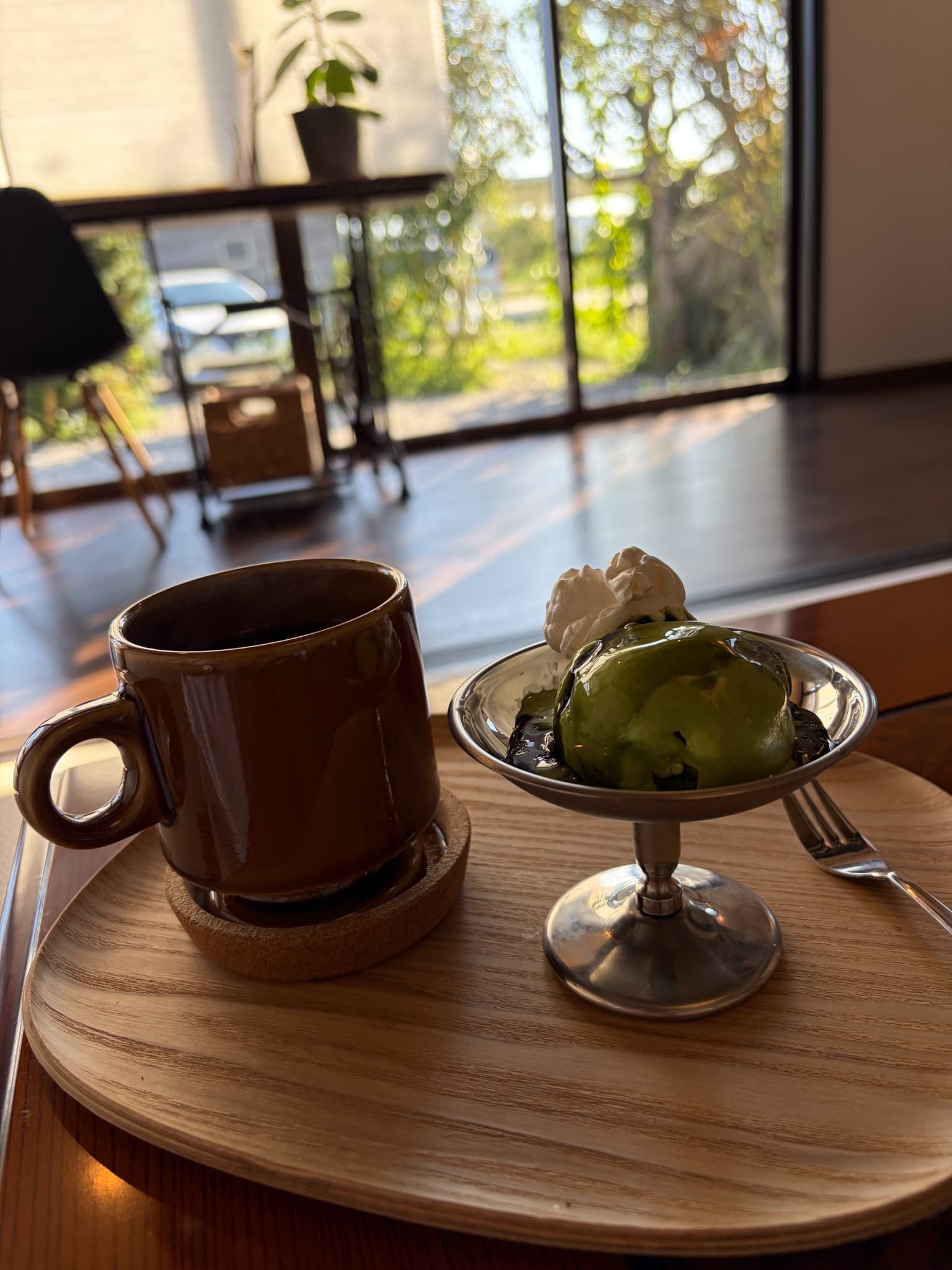
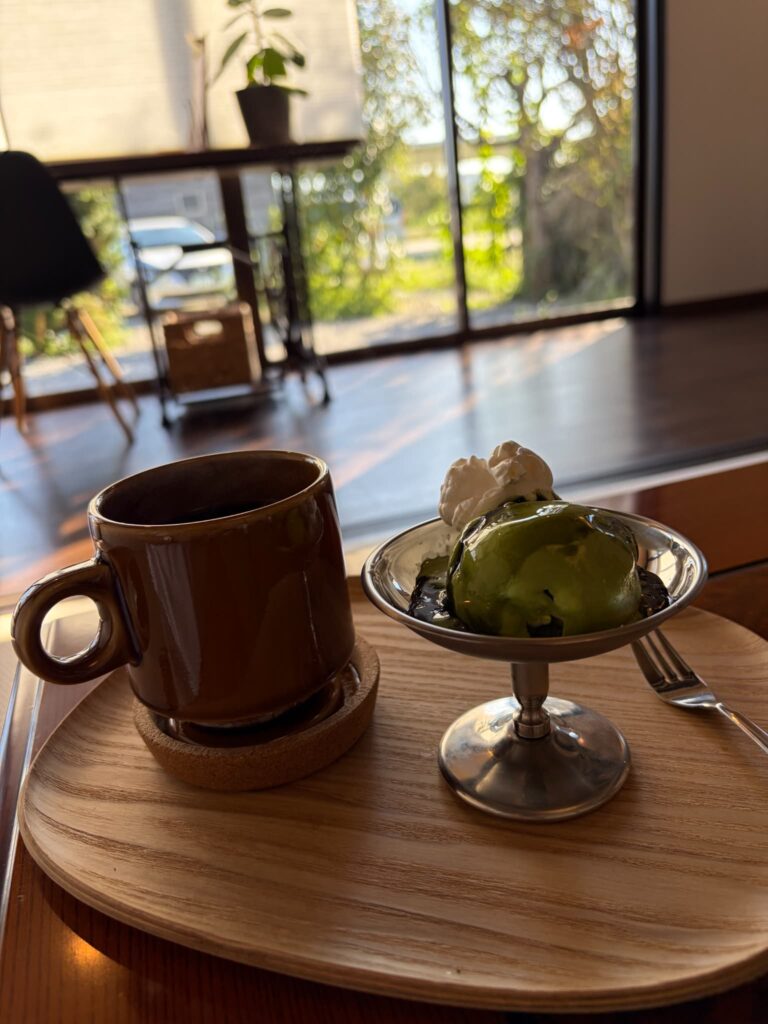
A kissaten is a small café where you can enjoy coffee, juice, and light meals. Press coverage of Blue Bottle’s arrival in Japan described them as small, dimly lit shops with good music and a barista working behind a wooden counter. The focus is on slow, attentive service rather than speed.
- Hand brewing as a craft: Japan has a long tradition of brewing coffee by hand, cup by cup, with close attention to technique.
- Hospitality over convenience: Many kissaten are small and quiet, and some are cash only or have rules such as no laptops, so it is worth checking before you go.
- A living history: Some famous examples include Cafe de l’Ambre in Ginza, which one travel guide says was opened in 1948 by Ichiro Sekiguchi and is known for aged beans, and Kayaba Coffee in Yanaka, described by the same guide as a kissaten founded in 1938. Treat these dates as secondhand and verify them before quoting them elsewhere.
- A shrinking tradition: A 2015 news report noted that fast food chains and newer cafe formats had hurt the once widespread kissaten, so each surviving shop is worth savoring.
Part 2: How Japanese Coffee Culture Inspired Blue Bottle
Blue Bottle Coffee was founded in Oakland, California, in 2002 by James Freeman, a former professional clarinetist. According to interviews and news coverage, Freeman has said he drew inspiration from Japanese kissaten and has often mentioned the Japanese concept of kodawari, a deep commitment to getting every detail right.
- A specific pilgrimage: Profiles of Freeman say he has visited Chatei Hatou, a kissaten near Shibuya Station in Tokyo, where coffee is brewed one cup at a time. Some sources describe it as a place that shaped his thinking, though accounts vary on exactly how much.
In short, the story is not that Japan copied an American trend. It is that an American roaster borrowed ideas from Japanese coffee houses, then brought them back to Japan, which in turn helped some Japanese consumers rediscover kissaten, according to a 2015 interview with Freeman.
Part 3: The Rise of Small, Specialty Roasteries
In recent years, independent roasters and small specialty cafes have multiplied in Tokyo and other cities. Many focus on light roasts, single-origin beans and pour-over brewing, often in very small spaces. The following are frequently mentioned in travel guides.
- Glitch Coffee and Roasters (Jimbocho): A light-roast specialist surrounded by secondhand bookshops. One guide warns that its light, tea-like style may not suit people who prefer dark, chocolatey coffee.
- Onibus Coffee (Nakameguro): A roaster in a renovated wooden house near the Toyoko Line tracks. Guides describe its house blends as more rounded than some ultra-light roasters, which makes it a good choice for mixed groups.
- Koffee Mameya (Omotesando): Described as a bean counter rather than a typical cafe, where staff ask about your taste and recommend beans. One guide notes that it does not roast its own coffee.
- Switch Coffee (Meguro): A tiny roastery and standing cafe, described in one guide as a quiet specialty institution that supplies other cafes.
Hours, menus and rules change often, so check each shop’s official page or social media before you visit.
This is Japanese web site.
https://www.esquire.com/jp/lifestyle/food-drink/a69162201/recommended-specialty-coffee-shop/
A Half-Day Coffee Walk in Tokyo
This sample route mixes old and new. It is a suggestion rather than a fixed plan, and you can swap stops to match your area.
- Morning: Kiyosumi-Shirakawa. Visit the Blue Bottle roastery cafe and the nearby Kiyosumi Garden. Weekday mornings are usually calmer than weekends, according to travel guides.
- Late morning: Ginza. Stop at a classic kissaten such as Cafe de l’Ambre for a slow, quiet cup. Bring cash, as some traditional shops do not accept cards.
- Afternoon: Jimbocho. Pair a light-roast pour-over at Glitch with a browse through the secondhand bookstores.
- Late afternoon: Omotesando or Nakameguro. Choose Koffee Mameya for a bean consultation or Onibus for a relaxed, house-blend style cup.
Tips for Ordering and Etiquette
- Expect to wait: Small shops have few seats, and popular ones can have lines on weekends.
- Ask for guidance: Many baristas are happy to recommend a bean based on whether you like fruity, bright coffee or deep, rich coffee.
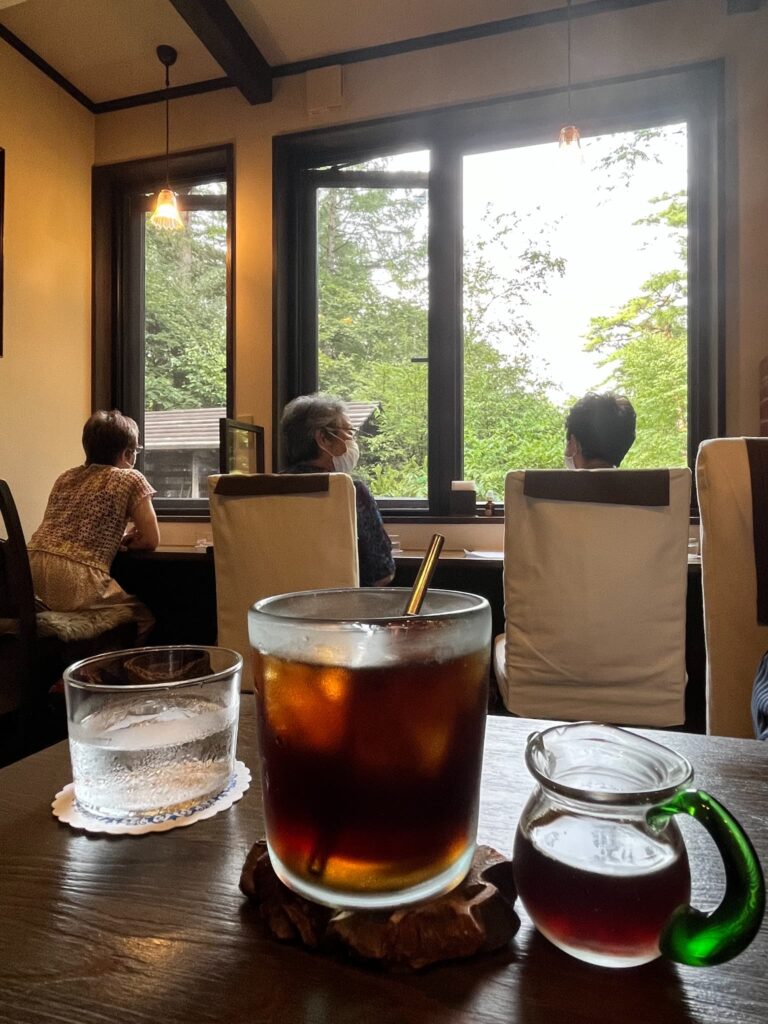
- Keep it quiet: Kissaten and tiny roasteries are often calm spaces, so keep conversations low and phone calls outside.
- Carry some cash: Traditional shops may be cash only.
- Buy beans to take home: Many roasteries sell whole beans, which make a good souvenir. Check whether the shop can grind them for you.
Frequently Asked Questions
According to news coverage and interviews, yes. Founder James Freeman has said he was inspired by Japanese kissaten, and Blue Bottle later opened its first overseas cafe in Tokyo in 2015.
A kissaten is a traditional Japanese coffee house, typically small and quiet, where coffee is carefully prepared and served at a counter or table.
Not exactly. Kissaten often serve classic, deeper roasts in a nostalgic setting, while many modern specialty roasteries focus on light, single-origin beans. Both value careful preparation.
If you want one old and one new experience, pair a classic kissaten in a central area such as Ginza with a specialty roastery such as Glitch in Jimbocho or Onibus in Nakameguro.
Prices vary widely. Specialty pour-overs and aged coffees can cost more than a standard cafe cup, so check the menu or the shop’s page before you go.
Next Steps
Pick one area of Tokyo, such as Kiyosumi-Shirakawa or Jimbocho, and build a short coffee walk around it. Check opening days and payment methods in advance, since small shops often close on set days. If you have extra time, explore kissaten and roasteries in other cities as well, as the independent coffee scene extends well beyond Tokyo.
This post is part of an ongoing series on Japan travel planning. Check back for more itinerary guides and regional travel tips.
PR

| Rakuten Travel is one of Japan’s largest and most popular domestic travel booking platforms. It features an extensive database of hotels, ryokan, resorts, and other accommodations across Japan, making it an excellent choice for travelers looking to book stays throughout the country. Available in your language. If you’re using a computer, click “Language” in the top-right corner to change the language. If you’re using a smartphone, tap the person icon in the bottom-right corner, then tap “Language” to select your preferred language. |
