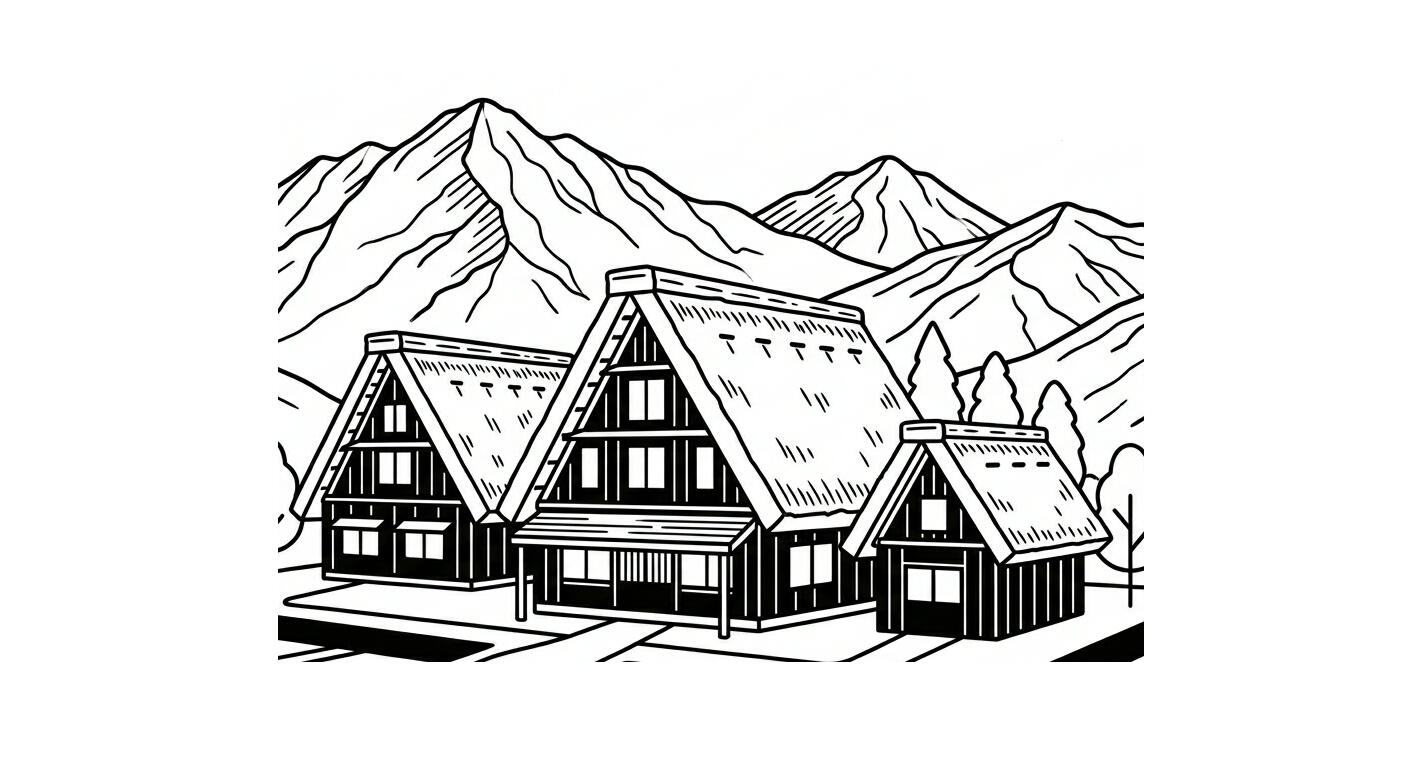
The Perfect 3-Day Takayama, Shirakawa-go and Kanazawa Itinerary:
Three days is enough to see the highlights of this classic route through central Japan without feeling rushed, provided you travel in one direction and plan your bus connections carefully. This itinerary moves from Takayama to Shirakawa-go to Kanazawa, giving you a historic mountain town, a UNESCO World Heritage village and a refined castle city in a single trip.
Itinerary Overview
| Day | Area | Focus |
|---|---|---|
| 1 | Takayama | Sanmachi Suji old town, Takayama Jinya, Hida beef |
| 2 | Takayama, Shirakawa-go, Kanazawa | Morning market, gassho-zukuri village, bus to Kanazawa |
| 3 | Kanazawa | Omicho Market, Kenroku-en, Higashi Chaya District |
This order works well if you start from Nagoya or Osaka and want to finish in Kanazawa, where the Hokuriku Shinkansen connects directly to Tokyo. It also works in reverse if you arrive from Tokyo, so choose the direction that fits your overall trip.
Day 1: Takayama (Hida Region)
- Midday: Arrival in Takayama. From Nagoya, the Hida Wide View limited express takes roughly 2.5 hours (check current timetables, as schedules change). Drop your bags at your hotel or ryokan and head straight into the old town.
- Afternoon: Sanmachi Suji Historic District. Dark wooden merchant houses line narrow streets, with sake breweries marked by cedar balls (sugidama) hanging above their doors. Go earlier or later in the day to avoid the heaviest tour groups.
- Late afternoon: Takayama Jinya. A former government outpost from the Edo period, compact and easy to visit in under an hour.
- Evening: Hida beef dinner. Try Hida beef as nigiri sushi, skewers or a set meal. Takayama is quiet at night, so a ryokan stay or a small guesthouse suits the mood well.
Day 2: Takayama, Shirakawa-go and the Ride to Kanazawa
- Early morning: Miyagawa or Jinya-mae Morning Market. Browse local pickles, snacks and crafts before your bus. Opening hours vary by season, so verify before you go.
- Late morning: Bus to Shirakawa-go. A direct highway bus runs from Takayama Nohi Bus Center and takes roughly 50 to 60 minutes. Reservations are generally required and seats can sell out in autumn and winter, so book as early as the operator allows.
- Midday: Ogimachi Village. The main walkable area of Shirakawa-go, a UNESCO World Heritage site (inscribed in 1995 together with Gokayama) famous for its gassho-zukuri farmhouses. Their steep thatched roofs are designed to shed heavy snow.
- Early afternoon: Shiroyama Viewpoint and Wada House. The viewpoint offers the classic panorama of the whole village and requires a short uphill walk or a shuttle (check current status). Wada House is one of the largest farmhouses open to visitors and lets you see inside a gassho-zukuri home.
- Mid afternoon: Bus to Kanazawa. The direct bus takes about 75 to 80 minutes, depending on traffic and season. Reserve both legs at the same time if possible, and allow at least two hours in the village so you are not watching the clock.
- Evening: Arrival in Kanazawa. Check in near Kanazawa Station or the Omicho area, and enjoy a relaxed seafood dinner. Kanazawa’s location on the Sea of Japan makes fresh fish a highlight.
Day 3: Kanazawa
Kanazawa is often described as a calmer alternative to Kyoto, with preserved samurai and geisha districts and a reputation for gold leaf craftsmanship.
- Morning: Omicho Market. Fresh seafood, sushi and snacks fill this busy market. Arrive before the lunch rush for the best selection and shorter lines.
- Late morning: Kenroku-en Garden. One of Japan’s three great gardens, beautiful in every season. In winter, the rope-supported pines (yukitsuri) create a particularly distinctive scene.
- Midday: Kanazawa Castle Park. Right next to Kenroku-en and easy to combine into a single walk.
- Afternoon: Higashi Chaya District. A preserved geisha quarter of wooden teahouses. Gold leaf ice cream is a popular treat, since Kanazawa is known for producing most of Japan’s gold leaf.
- Late afternoon: 21st Century Museum of Contemporary Art (optional). A modern contrast to the historic sights, with some areas free to enter.
Getting Around This Route
The key transport links on this route are the limited express train into Takayama, then two highway buses, so the buses deserve the most planning. Inside Takayama, Shirakawa-go’s main village and central Kanazawa, walking covers most of what you want to see.
| Section | Transport | Approx. time | Reservation |
|---|---|---|---|
| Nagoya to Takayama | Limited express train | about 2.5 hours | Recommended |
| Takayama to Shirakawa-go | Highway bus | about 50 to 60 minutes | Required in most cases |
| Shirakawa-go to Kanazawa | Highway bus | about 75 to 80 minutes | Required in most cases |
| Kanazawa to Tokyo | Hokuriku Shinkansen | about 2.5 hours | Optional |
Times and rules are approximate and can change, so confirm on the official operator websites before booking. A few practical tips: send large suitcases ahead with a luggage forwarding service (takkyubin) or use coin lockers where available, since carrying bags around Shirakawa-go is tiring. Carry some cash for markets and small shops, and compare the actual cost of your legs before buying any regional rail pass.
Best Time to Visit
Late April to May brings fresh green scenery, and October to November is known for autumn colors. Winter (January and February) offers the iconic snow views, and Shirakawa-go holds a limited number of illuminated evenings, usually restricted and reservation based, so check official announcements well in advance. Mountain areas are cooler than the cities, and snow is common from December to March, so pack accordingly.
Frequently Asked Questions
Yes. Takayama to Shirakawa-go takes about an hour by bus, so a half-day or full-day trip is realistic. Reserve your bus seats in advance.
Yes, for the highlights covered in this itinerary. Three days and two nights is the practical minimum, and a fourth day gives you a slower pace or more time in Kanazawa.
Both directions work. Takayama to Kanazawa is convenient if you start in Nagoya or Osaka and finish with the Shinkansen toward Tokyo, while Kanazawa to Takayama suits travelers arriving from Tokyo via the Hokuriku Shinkansen.
In most cases, yes. Highway buses serving Shirakawa-go typically require reservations, and seats can sell out in peak seasons, so check the official operator pages for the latest rules.
About two to three hours is enough to see the main village, a viewpoint and one or two farmhouses.
Next Steps
Reserve your Shirakawa-go buses first, since they are the most limited part of this route, then book accommodation in Takayama and Kanazawa, which fill up during cherry blossom season, autumn foliage and holidays. If your schedule allows a fourth day, extra time in Kanazawa or a visit to nearby Gokayama makes an excellent, easy addition.
This post is part of an ongoing series on Japan travel planning. Check back for more itinerary guides and regional travel tips.
PR

| Rakuten Travel is one of Japan’s largest and most popular domestic travel booking platforms. It features an extensive database of hotels, ryokan, resorts, and other accommodations across Japan, making it an excellent choice for travelers looking to book stays throughout the country. Available in your language. If you’re using a computer, click “Language” in the top-right corner to change the language. If you’re using a smartphone, tap the person icon in the bottom-right corner, then tap “Language” to select your preferred language. |
